
erosion-control

Silt Control

Erosion control keeps soil where it is. Sediment control catches it once it has moved. Every earthworks site needs both, and a resource consent will usually specify which devices go where, how they are sized, and how often they are checked.

Getting that right is not a matter of buying devices. It is a matter of reading the site — catchment, gradient, soil type and discharge point — and putting the right measure in the right place. We install and maintain the full range, and we maintain them through the job rather than installing once and letting them silt up.

Auckland Council’s GD05 sets the standard most of the country now works to, and we install to it.

Silt Fencing
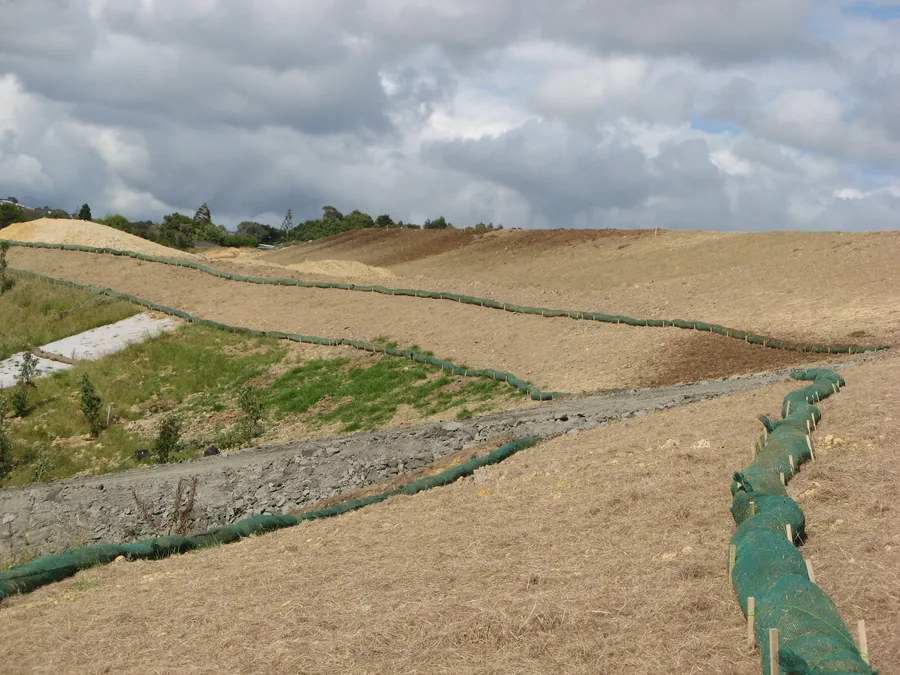
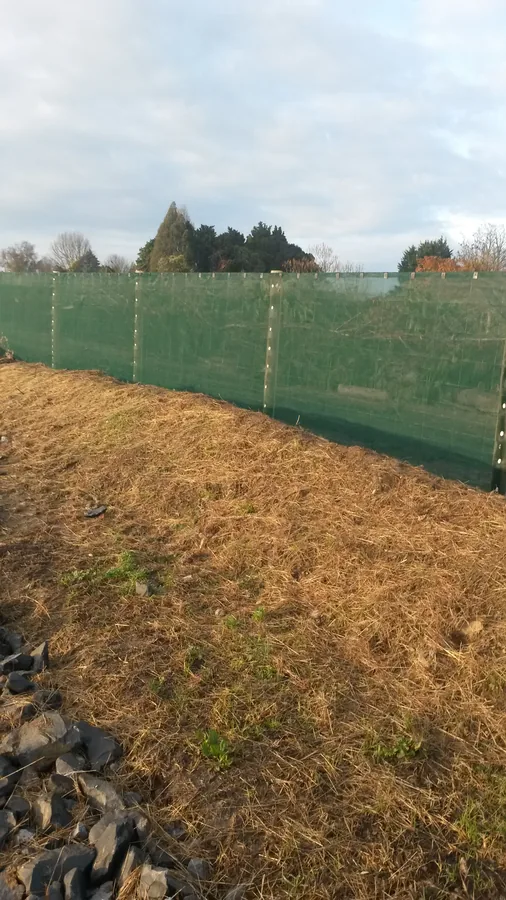
A silt fence is a temporary woven geotextile barrier that detains sediment-laden runoff, slowing the flow so sediment settles out. It is important to understand what it does not do: a silt fence impounds and settles, it does not filter. Sizing it as though it filters is how sites end up non-compliant with a fence line that looks correct.

Super silt fence does the same job on steeper ground or larger catchments, where a standard fence would be overwhelmed.

We install silt fence where sheet flow needs intercepting, on low-gradient or confined sites with small contributing catchments, around watercourses and short batter fills, to delineate the limit of disturbance around riparian margins and bush reserves, where an earth or topsoil bund would damage sensitive ground, and to hold debris and soil back from watercourses, critical areas and streets.

Installation matters as much as specification. A fence set at the wrong height, trenched too shallow or run across a contour it cannot handle gives false assurance and fails at the first real rain. We install to GD05 standard, machine or manual depending on the ground, and we achieve over 100 metres a day.
SiltStop Geosocks
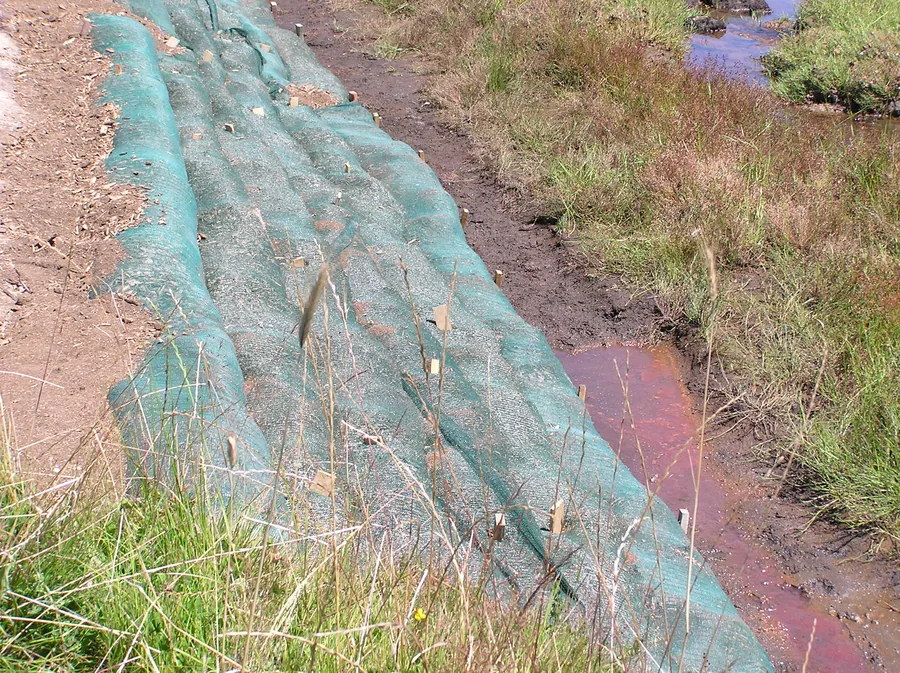
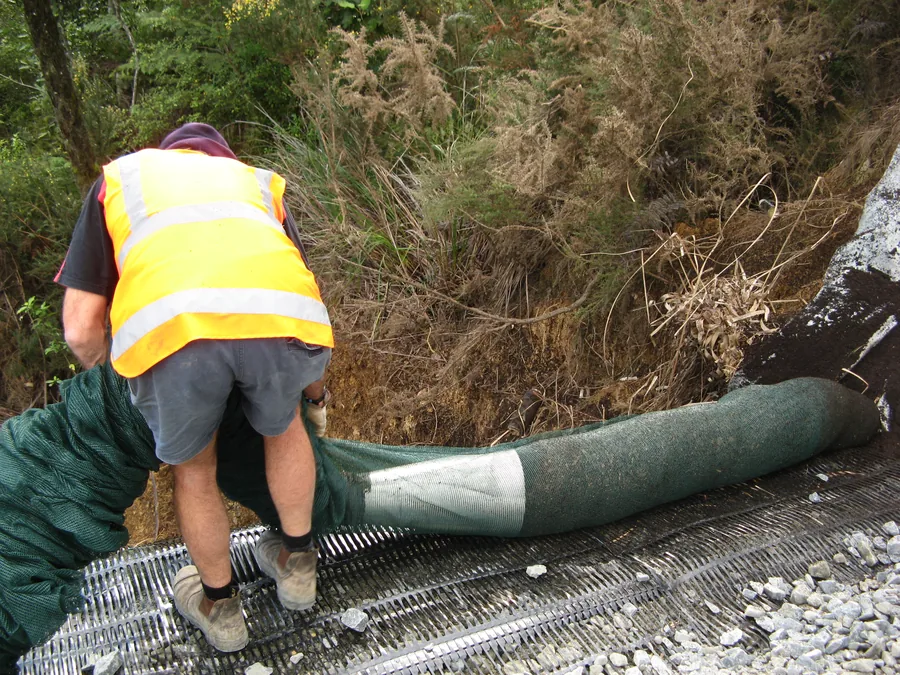
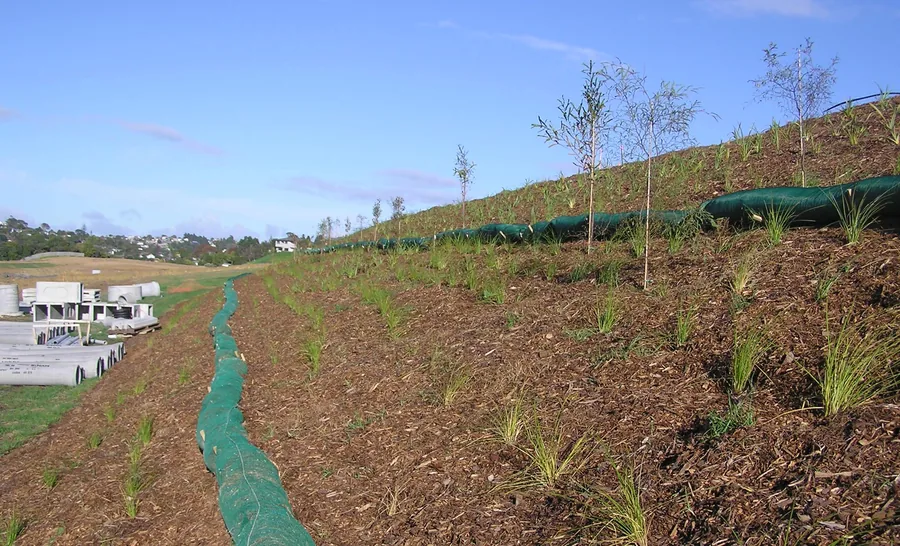
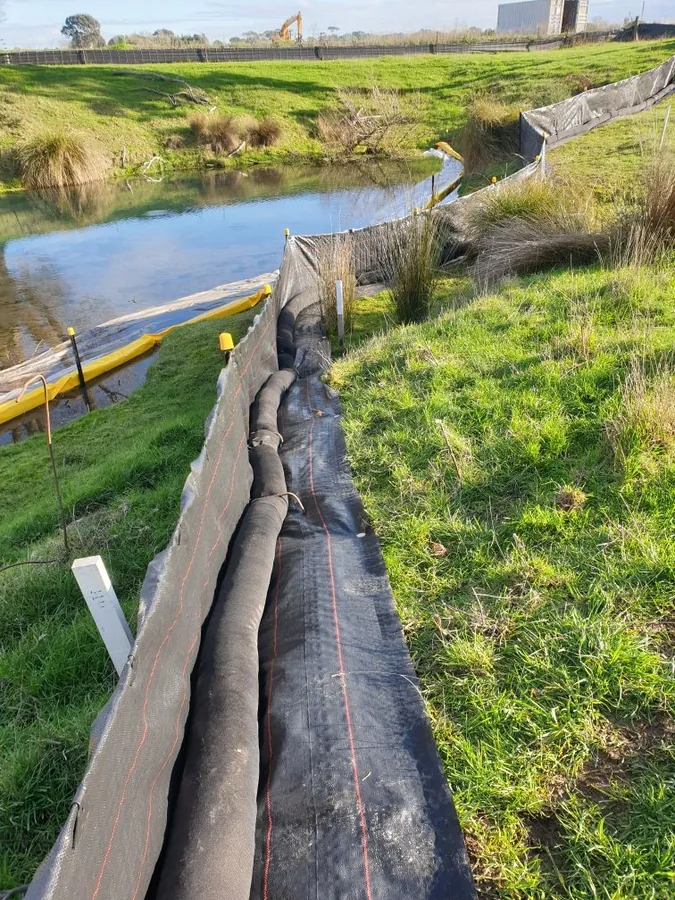
Siltstop socks are permeable socks used to divert or filter runoff across a surface, protecting culverts, drains and stormwater inlets.

They come in custom lengths for any application, and we can manufacture them on site to fit the job — which matters when the thing you need is a 40 metre run around an irregular inlet rather than three standard lengths butted together.

Flocculation
Flocculation removes fine suspended particles from water by chemically clumping them together so they settle, letting clean water be decanted off the sediment pond.

It is how a site deals with the fraction that will not settle on its own. In clay soils that is most of it — clay particles stay in suspension almost indefinitely, which is why a pond that looks like it is working can still be discharging dirty water.

We supply and install dosing stations sized to the site, including automated rain-activated devices that treat when a rain event starts rather than when someone remembers. We work alongside experienced engineers and suppliers on the treatment design.

Flocculation aids filtration, reduces the sediment leaving a site, protects receiving waterways and is often what makes a consent condition achievable.

Decanting Earth Bunds (DEBs) and Silt Ponds
Decanting earth bunds and sediment retention ponds impound runoff long enough for sediment to drop out, then decant the cleaner water from the surface rather than releasing from the bottom where the sediment sits.

They are the answer where silt fencing is not appropriate — larger catchments, steeper ground, or where runoff needs flocculant treatment before it can be discharged. Sizing, decant rate and maintenance schedule all follow the catchment and the consent, and getting the sizing wrong is not recoverable once earthworks are underway.

We construct DEBs and sediment ponds before major earthworks begin, so the controls are in place and working before the ground is opened up.

Erosion Control Mattings
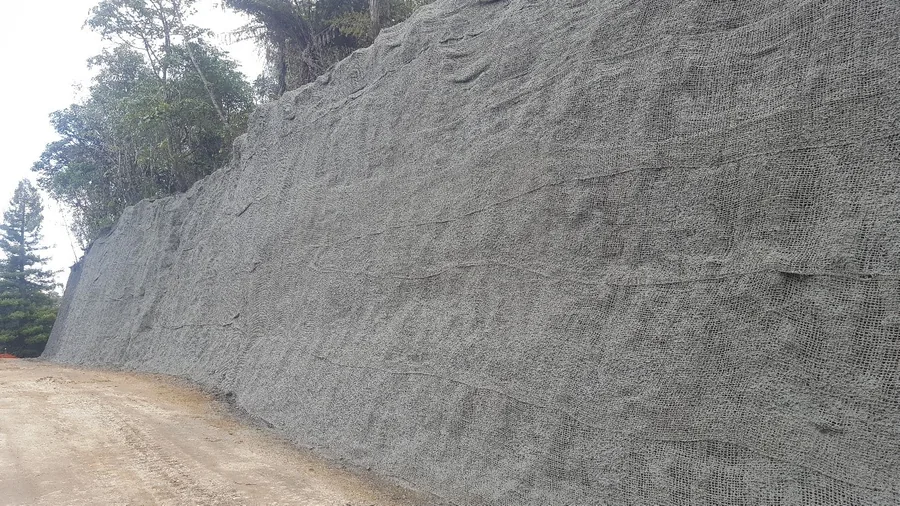
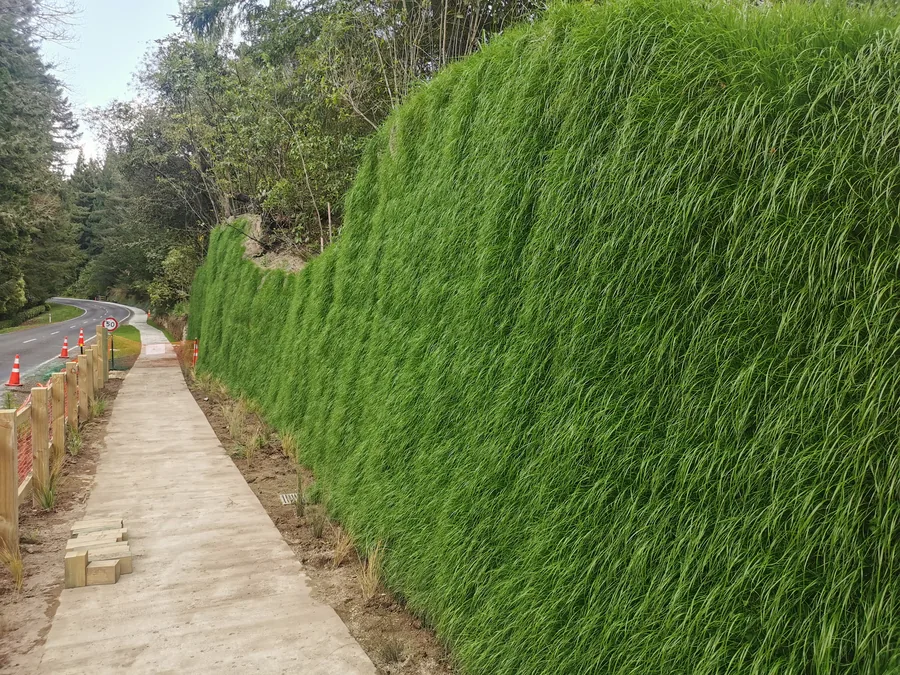
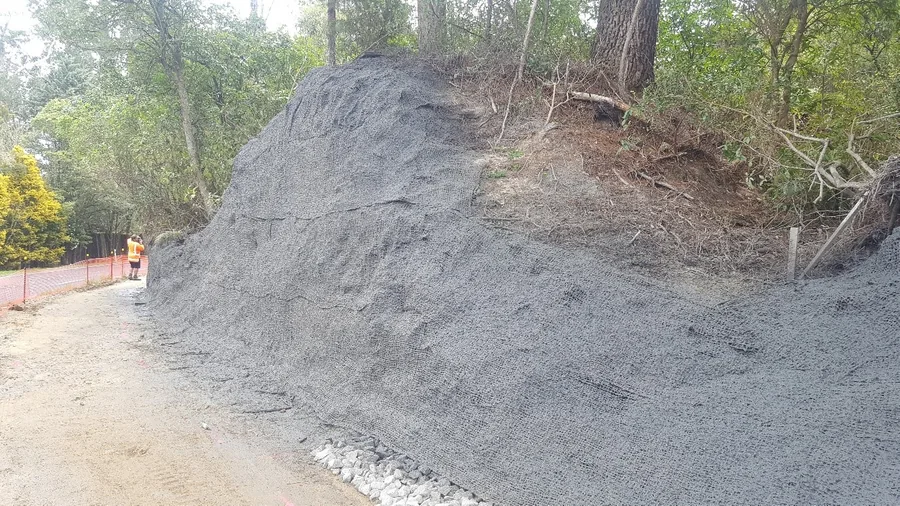
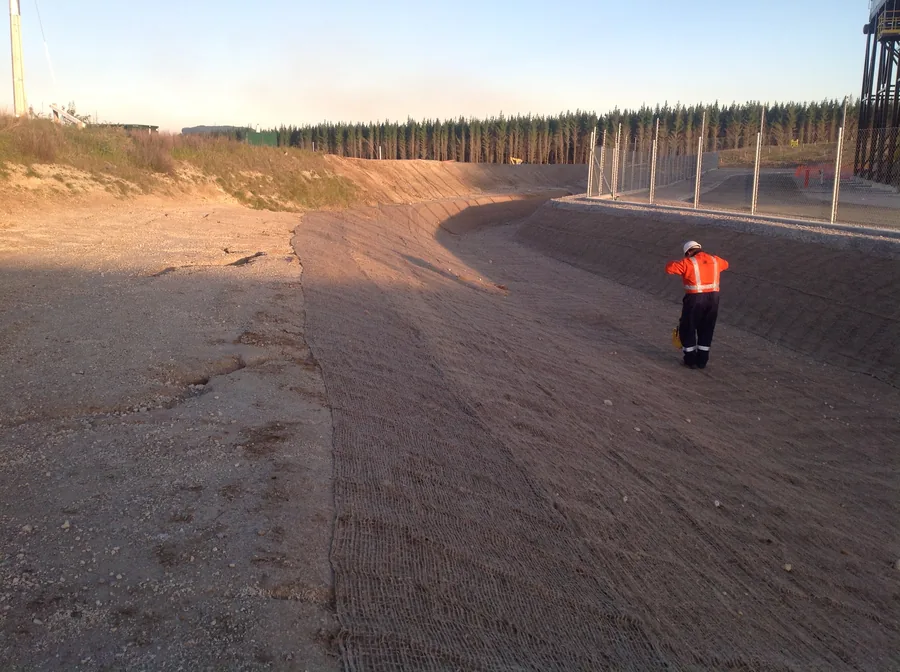
Matting protects a surface while vegetation establishes, and holds ground that is soft, slumping or prone to wind erosion.

The range runs from silt fence fabric through coir and coconut fibre blankets to reinforced synthetic mesh, and each product has a specific application, a set of advantages and a set of limitations. We work across the range rather than carrying one product, so the recommendation follows the site.

Installation decides whether matting works. The right anchor trench, the right overlap and the right pinning density for the slope will hold ground that would otherwise move. Loose or under-pinned, it lifts at the first event and takes the surface with it.

Contact Us